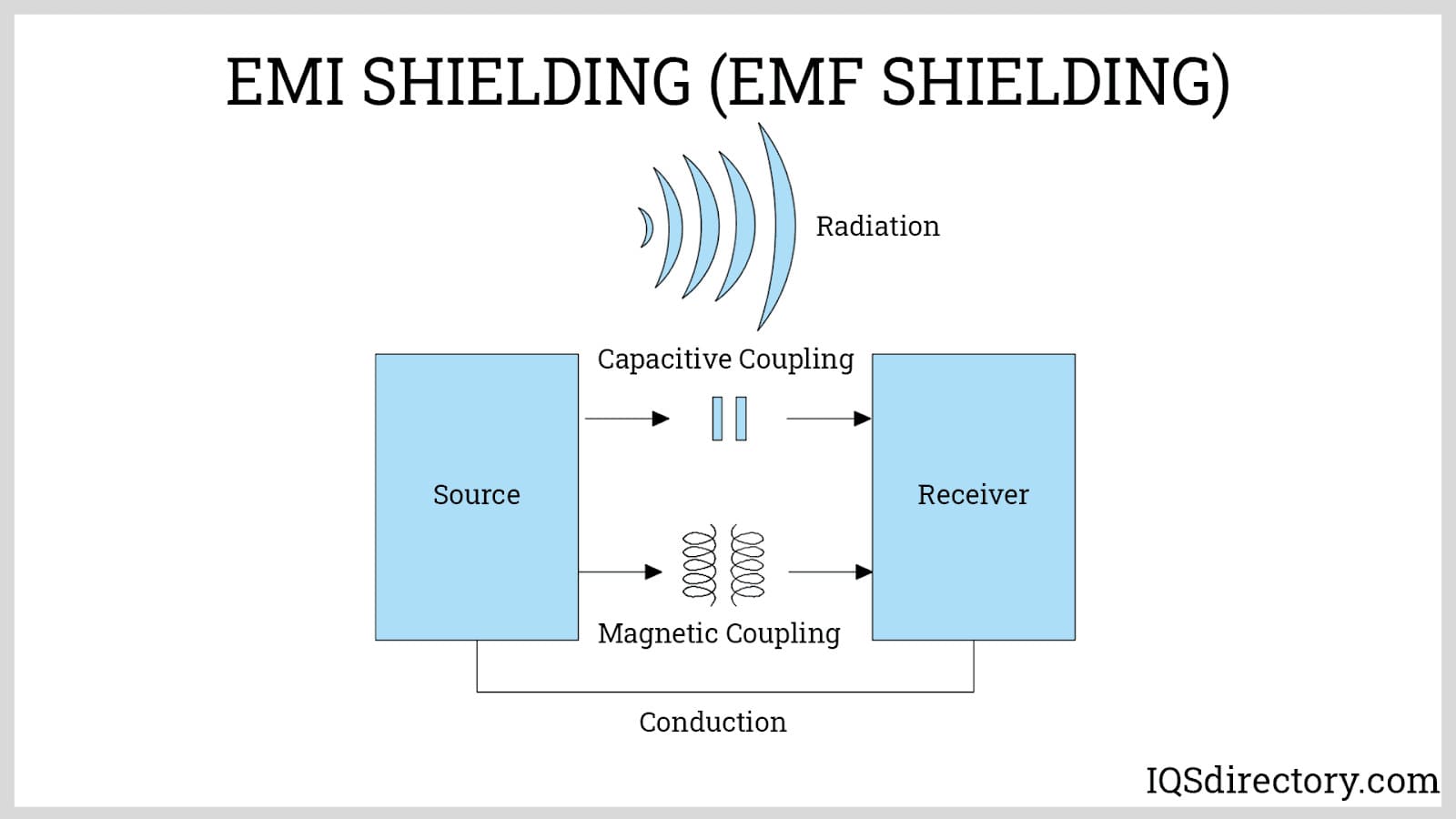
Radiation shielding, often referred to as electromagnetic interference (EMI) shielding, is a crucial process employed to safeguard sensitive equipment and human health from the harmful effects of electromagnetic radiation. It encompasses the use of specific materials and techniques to block, absorb, or reflect electromagnetic waves. Read More…
PMT shielding solutions is an industry leader in thin film metallic coatings, providing EMI/RFI shielding for advanced technology applications. With years of experience in vacuum metallization, functional finishes, and a commitment to quality and on-time delivery, you can count on PMT to protect the equipment that protects lives.
Sealing Devices is a leading North American distributor and fabricator of EMI shielding products, including conductive elastomers, Soft-Shield® low closure force gasketing, windows, conductive adhesives, formed-in-place parts, vents and elastomers.

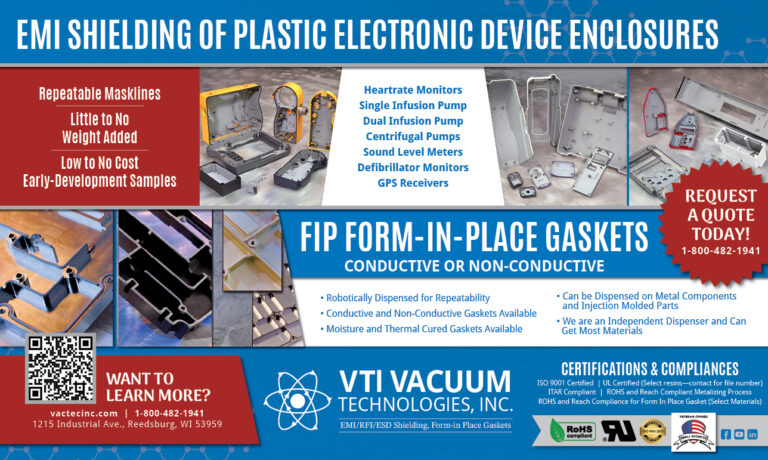
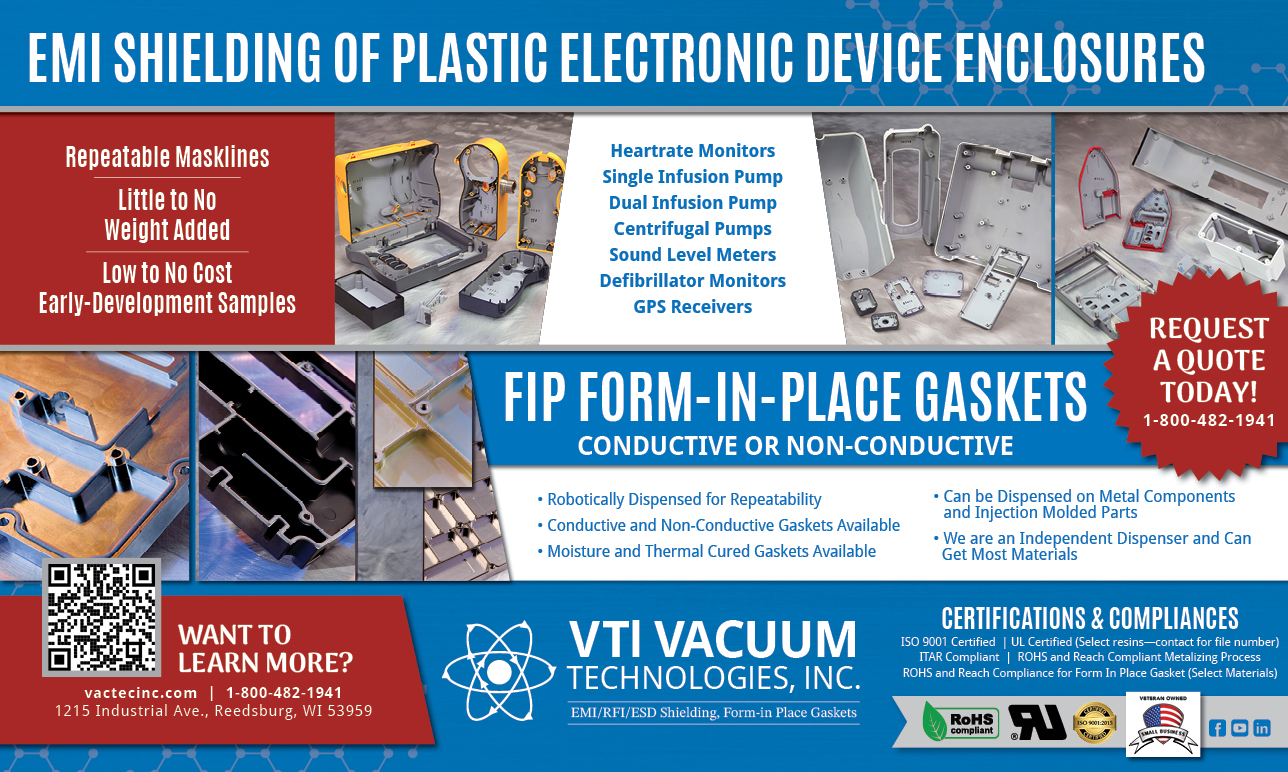
At VTI Vacuum Technologies Inc., we specialize in delivering high-performance EMI shielding solutions that protect sensitive electronics from electromagnetic interference and ensure the reliability of critical systems. As experts in vacuum metallization, we apply precision coatings to plastic enclosures and components, creating conductive barriers that meet or exceed industry shielding...
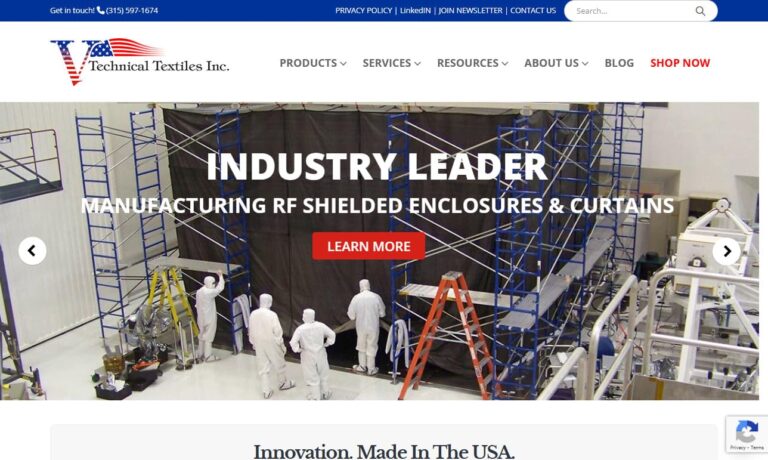
At V Technical Textiles, we have built our reputation on delivering advanced solutions for electromagnetic interference shielding that protect sensitive equipment and ensure reliability in critical environments. We specialize in designing and manufacturing technical fabrics and materials that meet the demanding requirements of industries where electronic performance, safety, and durability are...

More Radiation Shielding Companies
Creating EMI Shielding
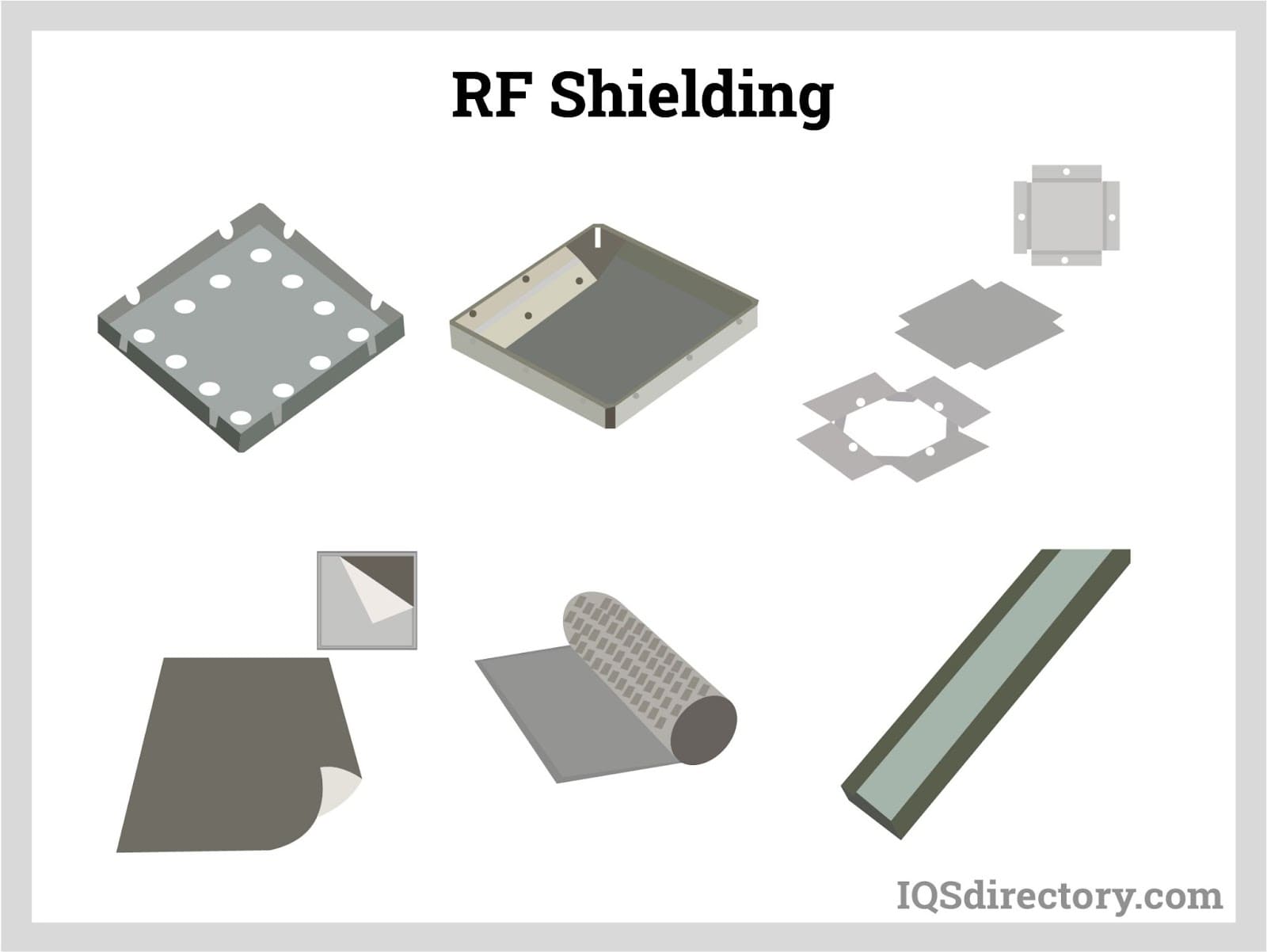
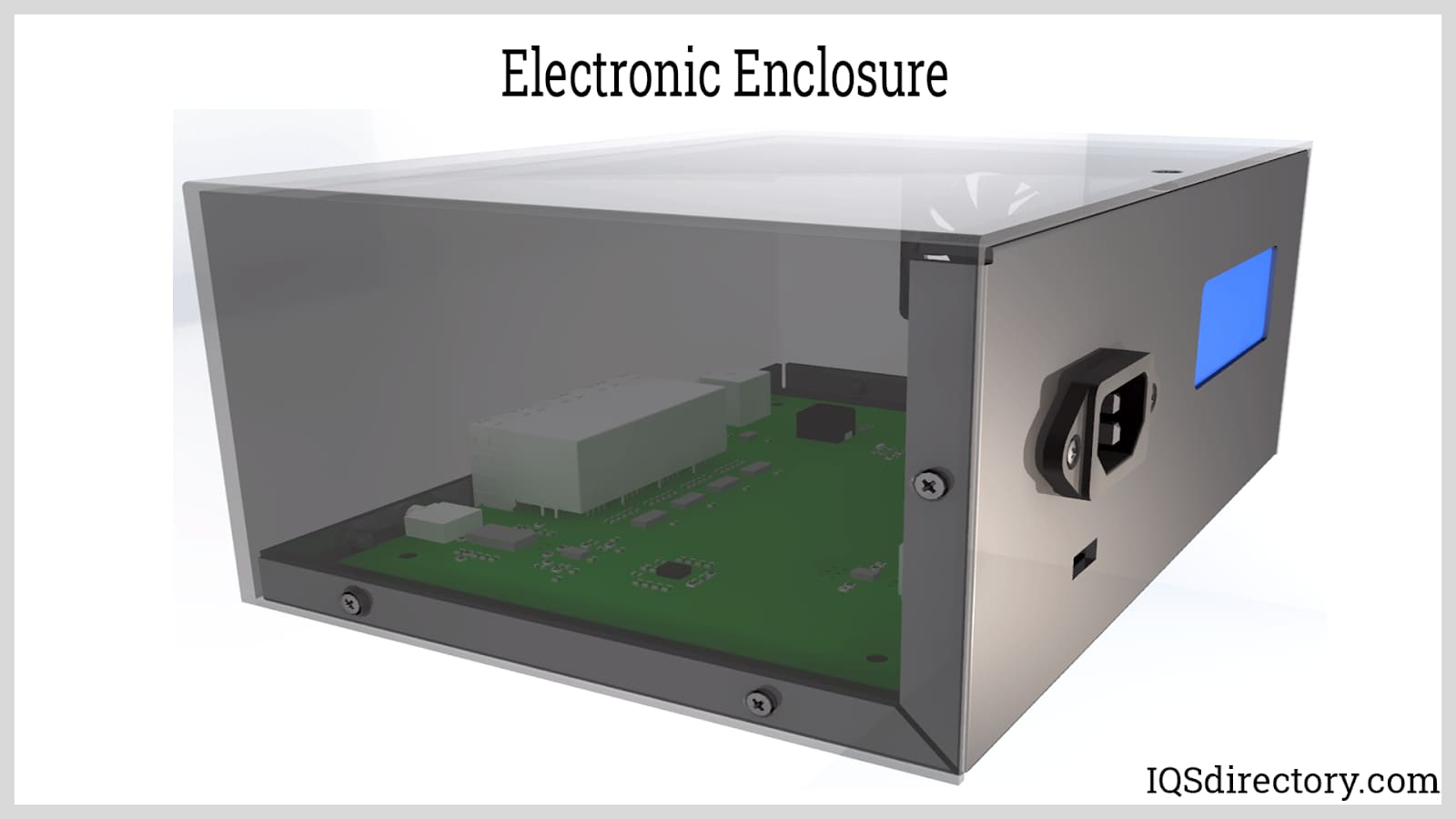
Several processes are employed to create effective EMI shielding. Coating and plating involve applying conductive materials such as metals to the surface of electronic devices, forming a protective shield that blocks external electromagnetic interference. Enclosures and housings, another method, provide a physical barrier around equipment to shield against electromagnetic radiation. Filtering and grounding techniques help minimize electromagnetic interference in power lines and communication systems, ensuring smooth and reliable operation. Additionally, absorption and reflection techniques are used to create controlled environments, vital for sensitive experiments or medical imaging facilities.
Materials for Radiation Shielding
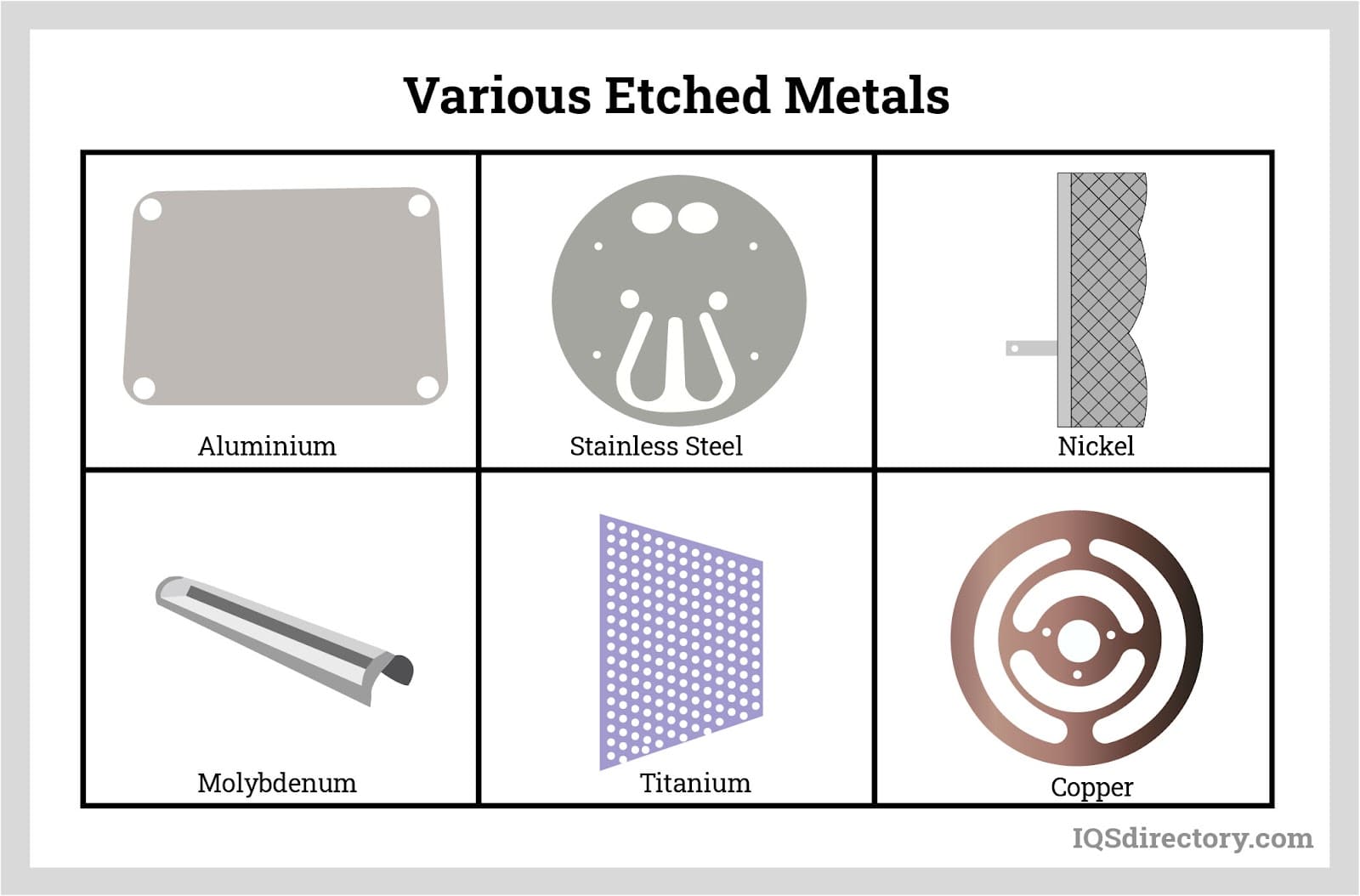
Various materials are utilized for radiation shielding, each with its unique properties and applications. Lead, due to its high density and atomic number, is commonly employed for shielding against X-ray and gamma ray radiation in medical facilities. Copper, renowned for its excellent electrical conductivity, is frequently used to shield sensitive electronic components from EMI. Aluminum, lightweight and corrosion-resistant, finds applications in electronic enclosures and aerospace industries. Carbon-based materials such as conductive foams and composites offer both shielding and mechanical properties, making them suitable for aerospace and military applications.
Considerations Regarding Radiation Shielding
While radiation shielding plays a vital role in protecting against electromagnetic interference, there are certain considerations to be aware of including the impact on weight, cost, and structural design of items, particularly in industries where weight restrictions are critical, such as aerospace. Additionally, some materials used for shielding may pose environmental and health risks.
Manufacturers Address These Considerations
Manufacturers of radiation shielding are actively addressing these considerations. To start, they are focusing on the development of lightweight materials and innovative designs that offer effective shielding while minimizing weight and structural impact. Furthermore, there is a growing emphasis on eco-friendly and sustainable alternatives to traditional shielding materials, ensuring the safety of both users and the environment.
Benefits of Radiation Shielding
Radiation shielding provides numerous benefits across various industries. By minimizing electromagnetic interference, it helps ensure the reliable operation of sensitive electronic devices, preventing disruptions and data loss. It also plays a critical role in protecting human health and safety by reducing exposure to harmful radiation. Moreover, radiation shielding preserves the integrity and functionality of electronic equipment, prolonging their lifespan and reducing maintenance costs.
Applications of Radiation Shielding
Radiation shielding finds extensive applications in different sectors. In the medical field, for example, radiation shielding is indispensable in X-ray rooms and cancer treatment centers. It shields patients, medical professionals, and visitors from the harmful effects of radiation, ensuring their safety while enabling accurate diagnoses and effective therapies. Without radiation shielding, medical procedures that rely on X-ray imaging or radiation-based treatments would be compromised, jeopardizing patient care and outcomes.
The aerospace and aviation industry also heavily relies on radiation shielding to protect aircraft and satellites. Cosmic radiation and electromagnetic interference pose significant risks to sensitive electronic components and communication systems onboard. By implementing effective shielding measures, aerospace engineers ensure the integrity and functionality of critical systems, enhancing the safety and reliability of air travel and space exploration.
In electronics manufacturing and testing, meanwhile, radiation shielding is paramount to guarantee the accuracy and reliability of electronic devices. Shielding measures are employed to prevent external electromagnetic interference that could disrupt signal transmission or compromise the performance of delicate components. Whether it's the production of consumer electronics or intricate industrial systems, radiation shielding plays a vital role in maintaining product quality and operational efficiency.
Nuclear power plants and research facilities also rely on radiation shielding to ensure the safety of workers and the environment. Shielding measures are employed to contain and control radioactive emissions, preventing their harmful effects from spreading beyond designated areas. By implementing robust shielding protocols, the nuclear industry maintains stringent safety standards, safeguarding both personnel and surrounding communities from radiation hazards.
Finally, defense and military applications also benefit greatly from radiation shielding. Sensitive electronic equipment and communication systems must operate reliably in challenging and potentially hostile environments. By integrating radiation shielding into their designs, manufacturers protect against electromagnetic interference, ensuring secure and uninterrupted communication, as well as the effectiveness of critical military systems.
Choosing the Right Radiation Shielding Manufacturer
To ensure you have the most positive outcome when purchasing radiation shielding from a radiation shielding manufacturer, it is important to compare several companies using our directory of radiation shielding manufacturers. Each radiation shielding manufacturer has a business profile page highlighting their areas of experience and capabilities, along with a contact form to directly communicate with the manufacturer for more information or to request a quote. Review each radiation shielding business website using our proprietary website previewer to quickly learn what each company specializes in. Then, use our simple RFQ form to contact multiple radiation shielding companies with the same form.
 Electric Coils
 Electric Switches
 Electric Transformers
 Electronic Connectors
 Electronic Enclosures
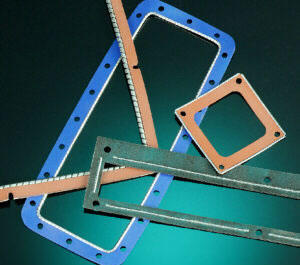 EMI Shielding
 Membrane Switches
 Power Cords
 Static Eliminators
 Castings & Forgings
 Bulk Material Handling
 Electrical & Electronic Components
 Flow Instrumentation
 Hardware
 Material Handling Equipment
 Metal Cutting Services
 Metal Forming Services
 Metal Suppliers
 Motion Control Products
 Plant & Facility Equipment
 Plant & Facility Supplies
 Plastic Molding Processes
 Pumps & Valves
 Recycling Equipment
 Rubber Products & Services